


Wi‑Fi 7 Tri‑Band
Access Point
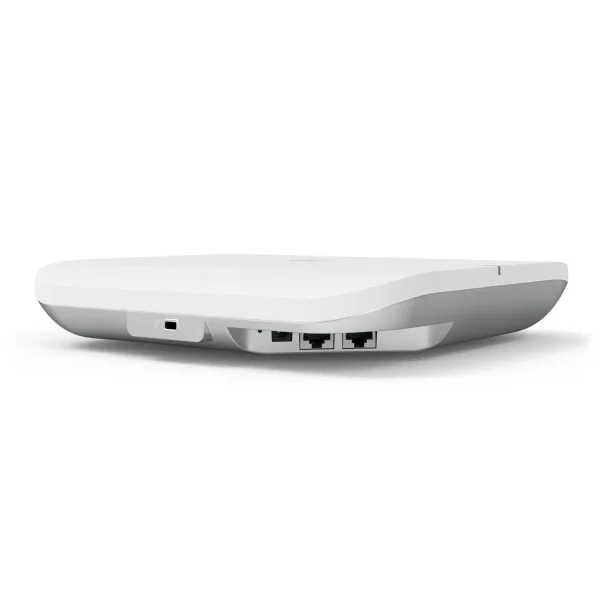
The EnGenius ECW536 Wi‑Fi 7 access point delivers advanced 4x4x4 tri-band wireless performance, dual 10GbE connectivity, and cloud-managed networking for ultra-fast enterprise wireless deployments.
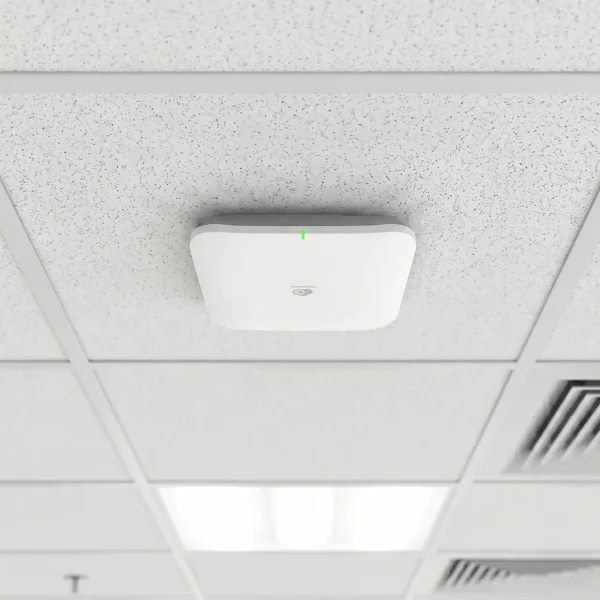
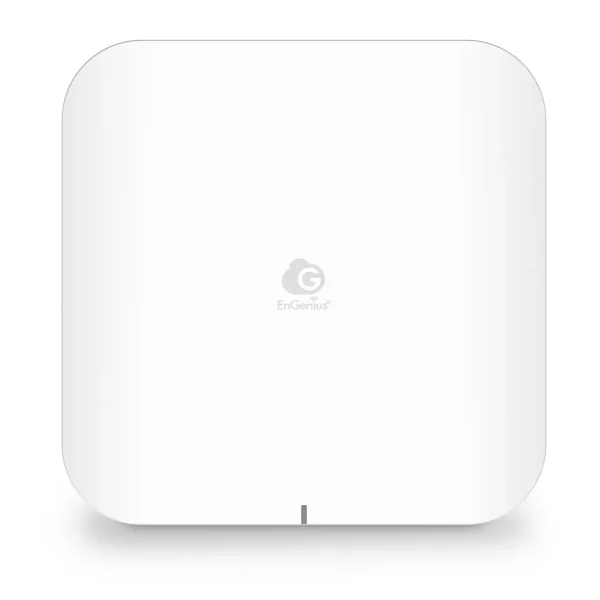
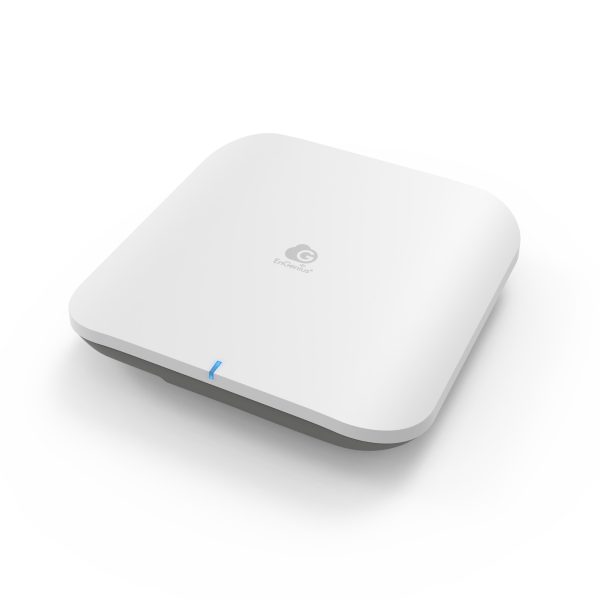
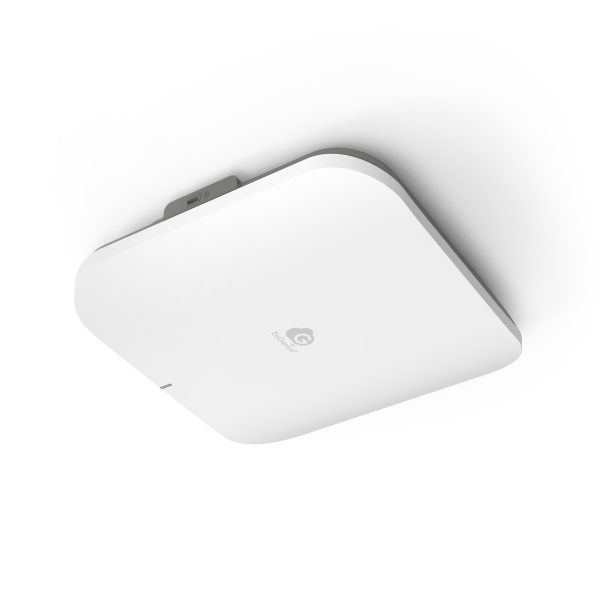
Built for High-Density Connectivity
The ECW536 combines Wi-Fi 7 performance, high-density wireless connectivity, and seamless cloud management for enterprise networks, educational institutions, healthcare facilities, and commercial environments.

Enterprise-Grade Capacity
Support large numbers of users and devices with reliable, high-capacity connectivity in demanding wireless environments.

Multi-Gigabit Performance
Deliver fast, responsive wireless connectivity for bandwidth-intensive applications and modern workflows.

Cloud-Managed Simplicity
Streamline deployment, monitoring, and management across distributed networks from a single interface.
Resources
Access comprehensive documentation, technical guides, and planning tools to accelerate your deployment cycle.





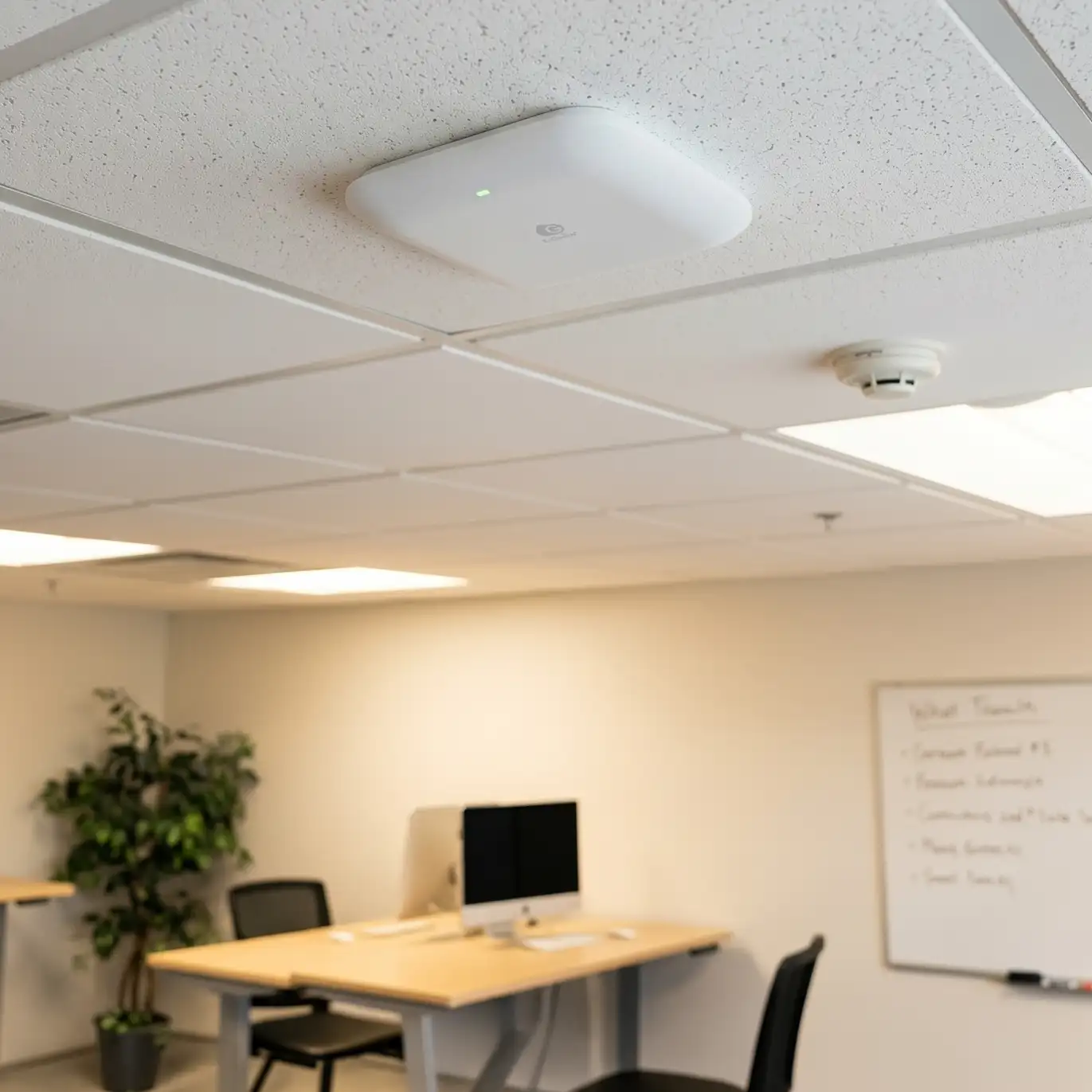
Try Wi-Fi 7 For Free!
Turbo-charge your network with a tri-band access point.





Specifications
Technical
Standards
IEEE 802.11be on 2.4 GHz
IEEE 802.11be on 5 GHz
IEEE 802.11be on 6 GHz
(Backward compatible with 802.11b/g/n/ac/ax)
IEEE 802.3 u/ab
Processor
Qualcomm® Networking Pro 1220
Antenna
4 x 2.4 GHz: 5 dBi(Integrated Omni-Directional)
4 x 5 GHz: 6 dBi(Integrated Omni-Directional)
4 x 6 GHz: 5 dBi(Integrated Omni-Directional)
Scanning Radio
N/A
BLE
N/A
Physical Interface
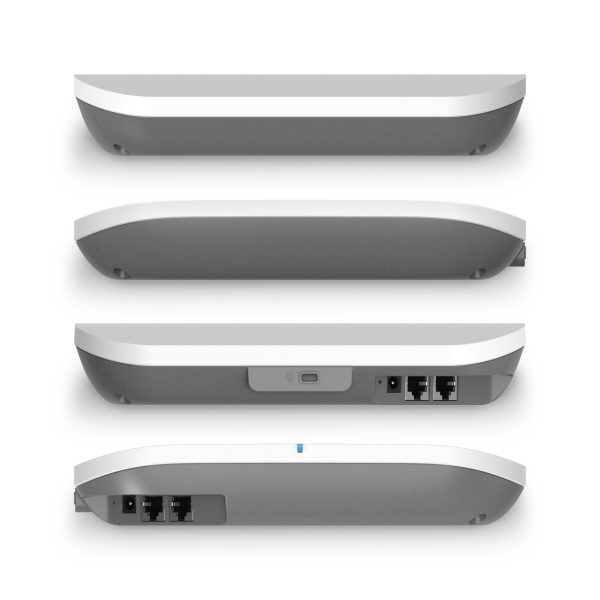
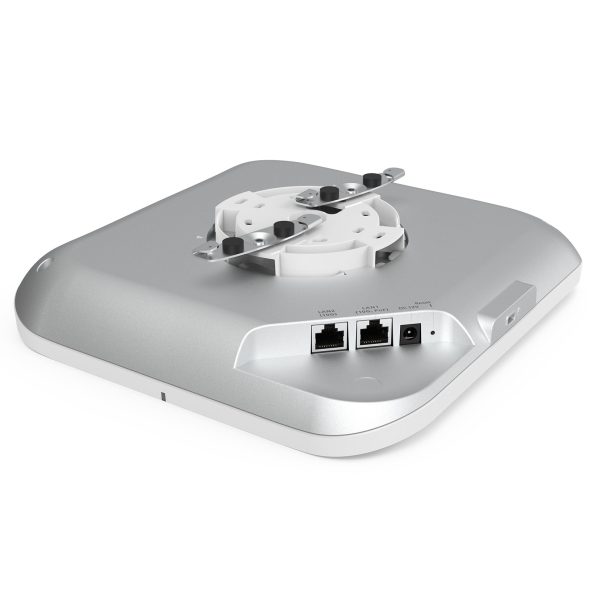
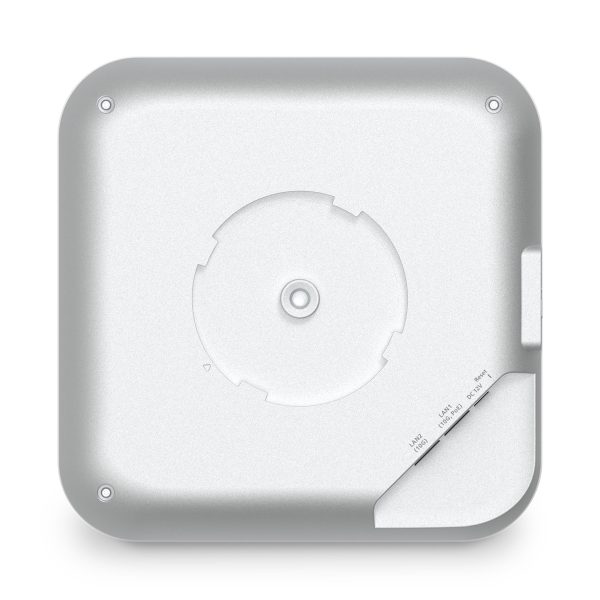
1 x 10GE Port (PoE++)
1 x 10GE Port
1 x DC Jack
1 x Reset Button
LED Indicators
1 x Multi-color LED
Power Source
Power-over-Ethernet: 802.3bt Input
12VDC/3A Power Adapter (Not Included)
Maximum Power Consumption
38W
Wireless & Radio
Operating Frequency
Tri-Radio Concurrent 2.4 GHz, 5 GHz, & 6 GHz
Operation Modes
AP, Mesh
Frequency Radio
2.4 GHz: 2400 MHz ~ 2482 GHz
5 GHz: 5150 MHz ~ 5250 MHz, 5250 MHz ~ 5350 MHz, 5470 MHz ~ 5725 MHz, 5725 MHz ~ 5850 MHz
6 GHz: 5.925GHz~6.425GHz, 6.425GHz~6.525GHz, 6.525GHz~6.875GHz, .6875GHz~7.125GHz
Transmit Power
Up to 25 dBm on 2.4 GHz
Up to 24 dBm on 5 GHz
Up to 24 dBm on 6 GHz
(Maximum power is limited by regulatory domain)
Tx Beamforming (TxBF)
Increasing signal reliability and transmitting distance
Radio Chains/Spatial Stream
4x4x4:4
SU-MIMO
Four (4) spatial stream Single User (SU) MIMO for up to 1,376 Mbps wireless data rate with VHT40 bandwidth to a 4×4 wireless device under the 2.4GHz radio.
Four (4) spatial stream Single User (SU) MIMO for up to 5,764 Mbps wireless data rate with HE160 bandwidth to a 4×4 wireless device under the 5GHz radio.
Four (4) spatial stream Single User (SU) MIMO for up to 11,529 Mbps wireless data rate with EHT320 bandwidth to a 4×4 wireless device under the 6GHz radio.
MU-MIMO
Four (4) spatial stream Multi-User (MU)-MIMO for up to 1,376Mbps wireless data rate with VHT40 bandwidth to a 4×4 wireless device under the 2.4GHz radio simultaneously.
Four (4) spatial stream Multi-User (MU)-MIMO for up to 5,764 Mbps wireless data rate with HE160 bandwidth to a 4×4 wireless device under the 5GHz radio simultaneously.
Four (4) spatial stream Multi-User (MU)-MIMO for up to 11,529 Mbps wireless data rate with EHT320 bandwidth to a 4×4 wireless device under the 6GHz radio simultaneously.
Supported Data Rates (Mbps)
802.11be:
6 GHZ: Max 11,600 (MCS0 to MCS13, NSS = 1 to 4)
5 GHz: Max 5,800 (MCS0 to MCS11, NSS = 1 to 4)
2.4 GHz: Max 1,440 (MCS0 to MCS11, NSS = 1 to 4)
802.11ax:
6 GHZ: 18 to 4,800 (MCS0 to MCS13, NSS = 1 to 4)
5 GHz: 18 to 4,800 (MCS0 to MCS11, NSS = 1 to 4)
2.4 GHz: 9 to 1,148 (MCS0 to MCS11, NSS = 1 to 4)
802.11ac: 6.5 to 1733 Mbps (MCS0 to MCS9, NSS = 1 to 4)
802.11n: 6.5 to 600 Mbps (MCS0 to MCS15)
802.11a/g: 6, 9, 12, 18, 36, 48, 54
802.11b: 1, 2, 5.5, 11
Supported Radio Technologies
802.11be/ax: Orthogonal Frequency Division Multiple Access (OFDMA)
802.11ac/a/g/n: Orthogonal Frequency Division Multiple (OFDM)
802.11b: Direct-sequence spread-spectrum (DSSS)
Channelization
802.11be supports extreme high efficiency (EHT) —EHT 20/40/80/160/320 MHz
802.11ax supports high efficiency (HE) —HE 20/40/80/160 MHz
802.11ac supports very high throughput (VHT) —VHT 20/40/80 MHz
802.11n supports high throughput (HT) —HT 20/40 MHz
802.11n supports very high throughput under the 2.4GHz radio –VHT40 MHz (256-QAM)
802.11n/ac/ax packet aggregation: A-MPDU, A-SPDU
Supported Modulation
802.11be: BPSK, QPSK, 16-QAM, 64-QAM, 256-QAM, 1024-QAM, 4096-QAM
802.11ax: BPSK, QPSK, 16-QAM, 64-QAM, 256-QAM, 1024-QAM
802.11ac: BPSK, QPSK, 16-QAM, 64-QAM, 256-QAM
802.11a/g/n: BPSK, QPSK, 16-QAM, 64-QAM
802.11b: BPSK, QPSK, CCK
DFS Certification
FCC/CE/IC
AirGuard (WIPS/WIDS)
N/A
Zero-wait DFS
N/A
Dedicated Scanning Radio
N/A
Max Concurrent Users
512
Client Balancing
Yes
Auto Channel Selection
Yes
Management
Multiple BSSID
8 SSIDs for 2.4GHz, 5GHz, & 6 GHz radios
VLAN Tagging
Supports 802.1q SSID-to-VLAN Tagging
Cross-Band VLAN Pass-Through
Management VLAN
Spanning Tree
Supports 802.1d Spanning Tree Protocol
QoS (Quality of Service)
Compliance With IEEE 802.11e Standard
WMM
SNMP
v1, v2c, v3
MIB
I/II, Private MIB
Fast Roaming
802.11r/k
Wireless Security
WPA2-PSK
WPA2-Enterprise
WPA3-PSK
WPA3-Enterprise
Hide SSID in Beacons
Wireless STA (Client) Connected List
Client Isolation
Client Access Control
Interface
IPv4, IPv6
Local Web Access
Environmental & Physical
Temperature Range
Operating: 32ºF~104ºF (0ºC~40ºC)
Storage: -40ºF~176 ºF (-40ºC~80ºC)
Humidity (non-condensing)
Operating: 90% or less
Storage: 90% or less
Device Dimensions & Weights
ECW536 Device
Weight:1270g
Length: 9.06″ (230 mm)
Width: 9.06″ (230 mm)
Height: 1.56″ (39.5 mm)
Package Contents
1 x ECW536 Cloud Managed Indoor Access Point
1 x Ceiling Mount Base
1 x Ceiling and Wall Mount Screw Kit
1 x T-rail Mount kit
1 x Product Card
Certifications
FCC
CE
IC
Warranty
5 years
Power Sources
This access point does not include an AC adapter and must be powered over ethernet.
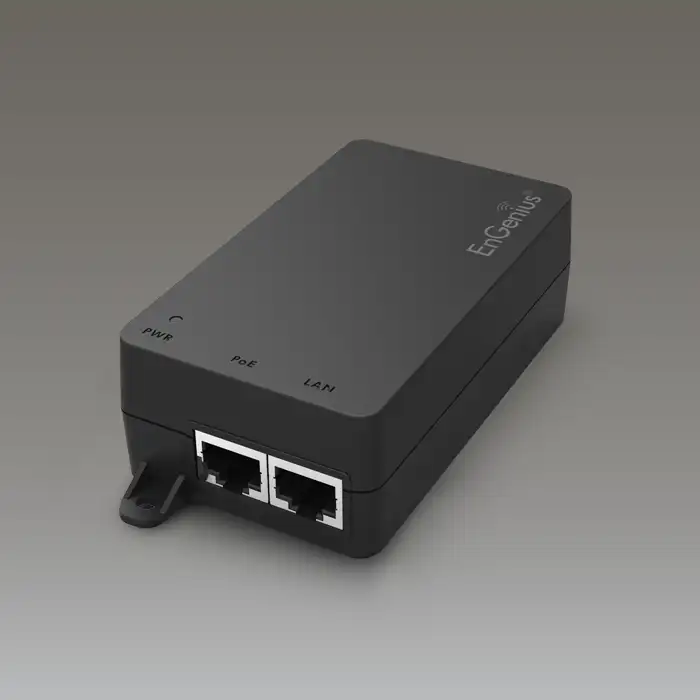
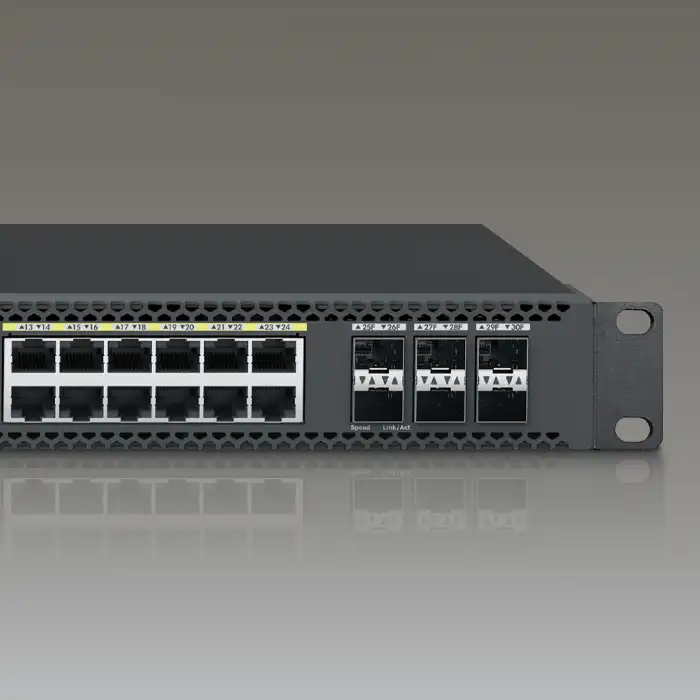
Cloud Managed Switches
ECS2530FP 24-Port 740W Multi-Gig PoE++ Switch ECS5512FP 8-Port 420W 10-Gig PoE++ Switch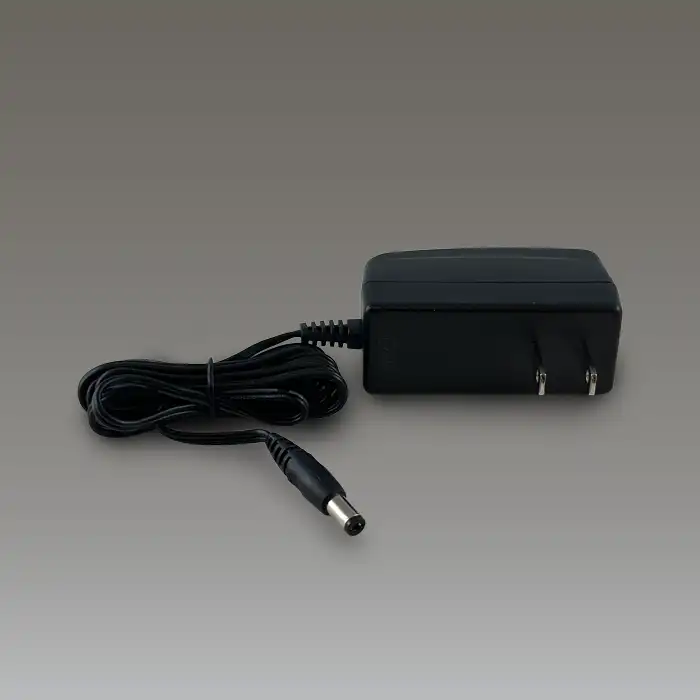
Power Adapter
ACP12V3A Access Point Power AdapterUpgrade to the Speed of Thought.
Deploy EnGenius solutions today and eliminate connectivity bottlenecks forever.
