


How Bono Burns Built Reliable Warehouse Wi-Fi Across Its Entire Distribution Facility -
Maplewood, MO
Reliable warehouse Wi-Fi solutions are essential for keeping modern distribution operations moving. Employees, handheld devices, inventory systems, and delivery teams need continuous connectivity as they move between storage aisles, cold-storage areas, loading docks, offices, and outdoor work zones.
Distribution warehouses are among the most difficult environments for wireless networks. Concrete walls, metal racks, dense inventory, industrial equipment, high ceilings, and extreme temperatures can obstruct signals and create unpredictable dead zones. A reliable warehouse wireless network must be designed around the building, its operating conditions, and how people and devices move through it.
Reliable Warehouse Wi-Fi for Distribution Operations
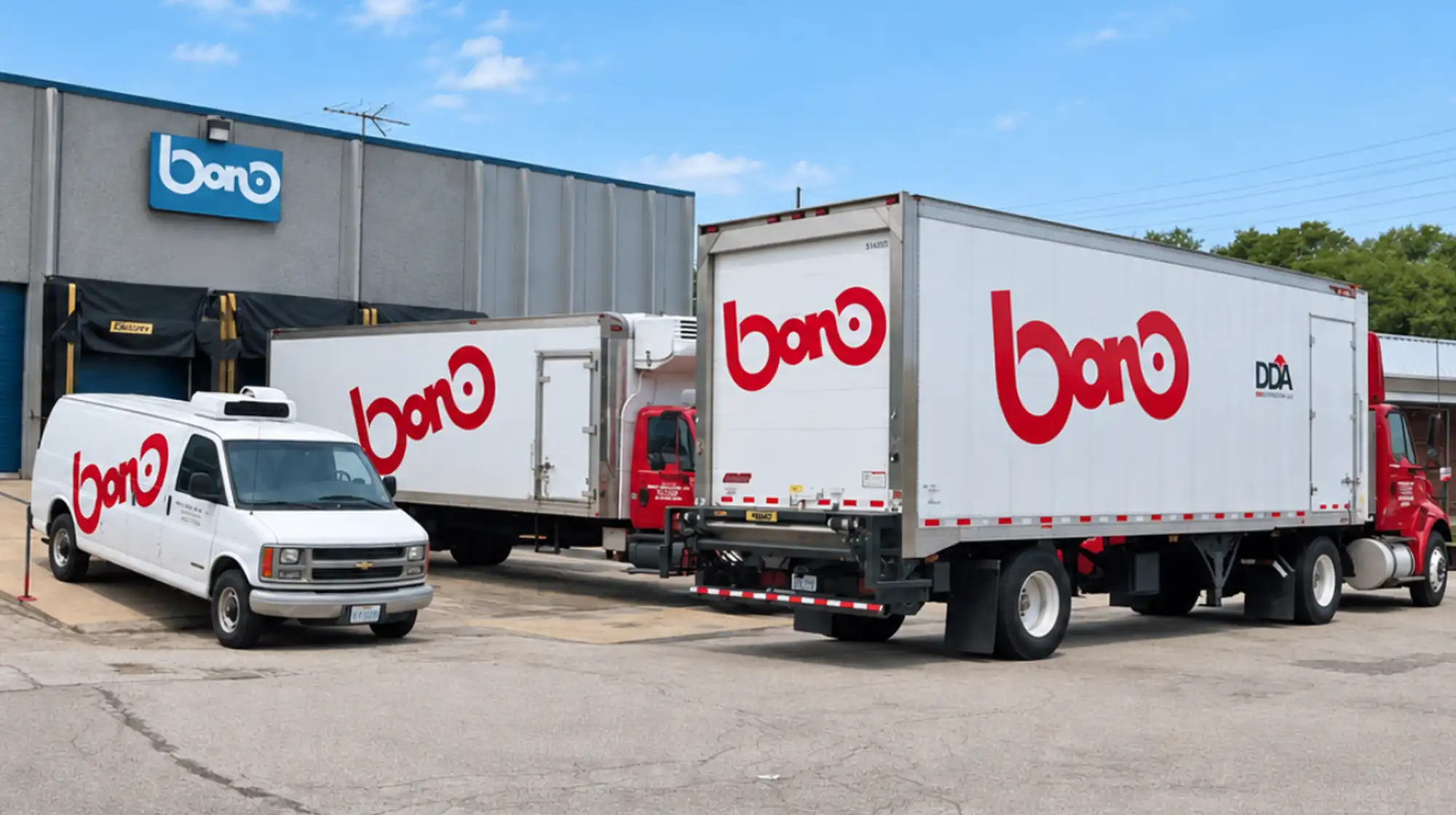
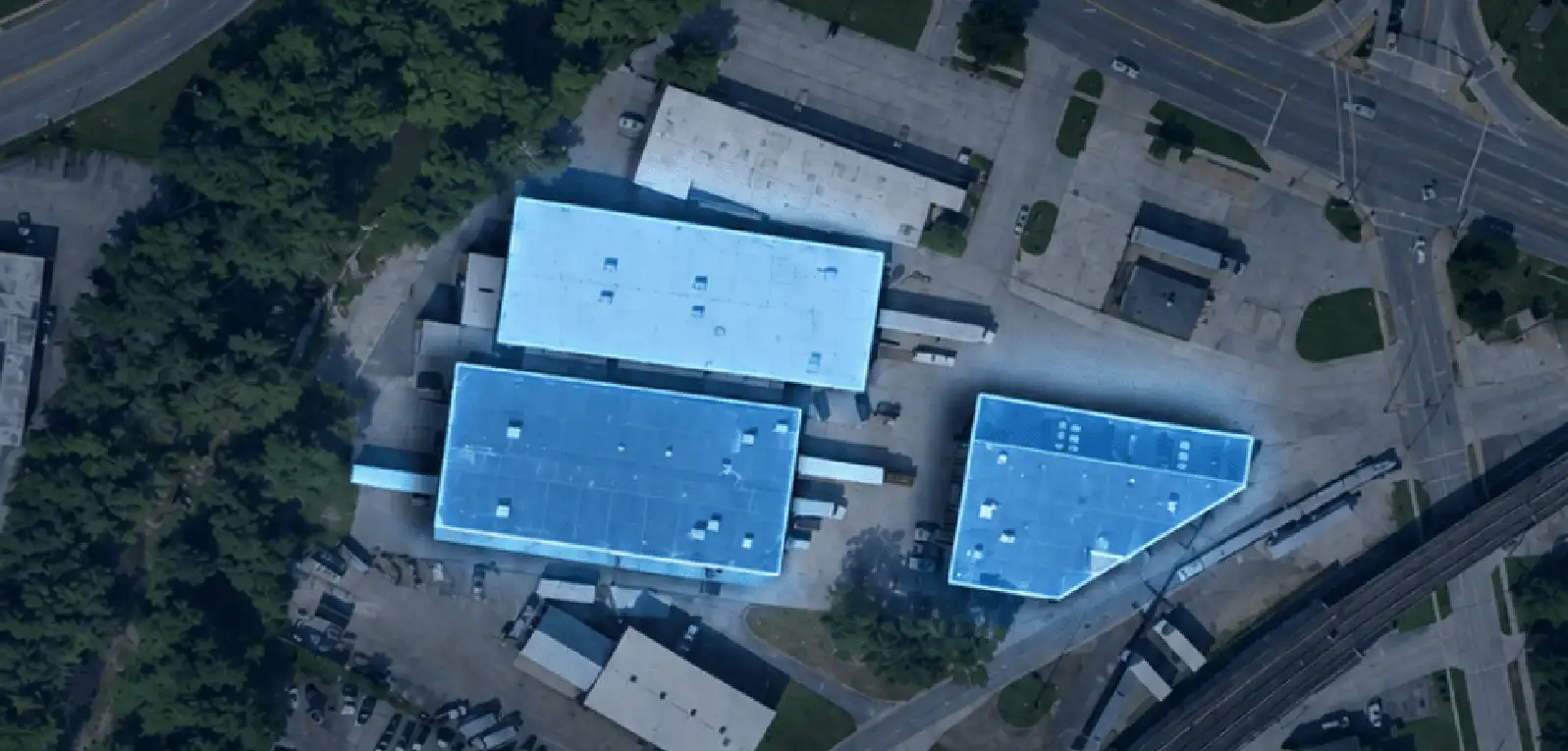
Based in Maplewood, Missouri, Bono Burns Distributing has supplied bakery ingredients, packaging, decorating products, and craft brewing and artisan distilling ingredients throughout the St. Louis region since the 1970s. Its operations span three warehouses totaling approximately 51,000 square feet, including office, cold-storage, loading, and outdoor work areas where employees and delivery teams depend on reliable connectivity to keep inventory and distribution workflows moving.
With a strong understanding of the facility and its operational needs, nCisive Consulting, a trusted EnGenius partner, was chosen as dedicated local IT integrator and support partner to provide the technical expertise and hands-on support needed to design the deployment around Bono Burns’ specific environment.
Bono Burns’ previous network had been expanded gradually as the company added warehouse space. The result was an aging environment with inconsistent coverage, older access points, and Ethernet cabling installed years earlier.
Concrete, Metal, and Changing Inventory Created Wi-Fi Dead Zones
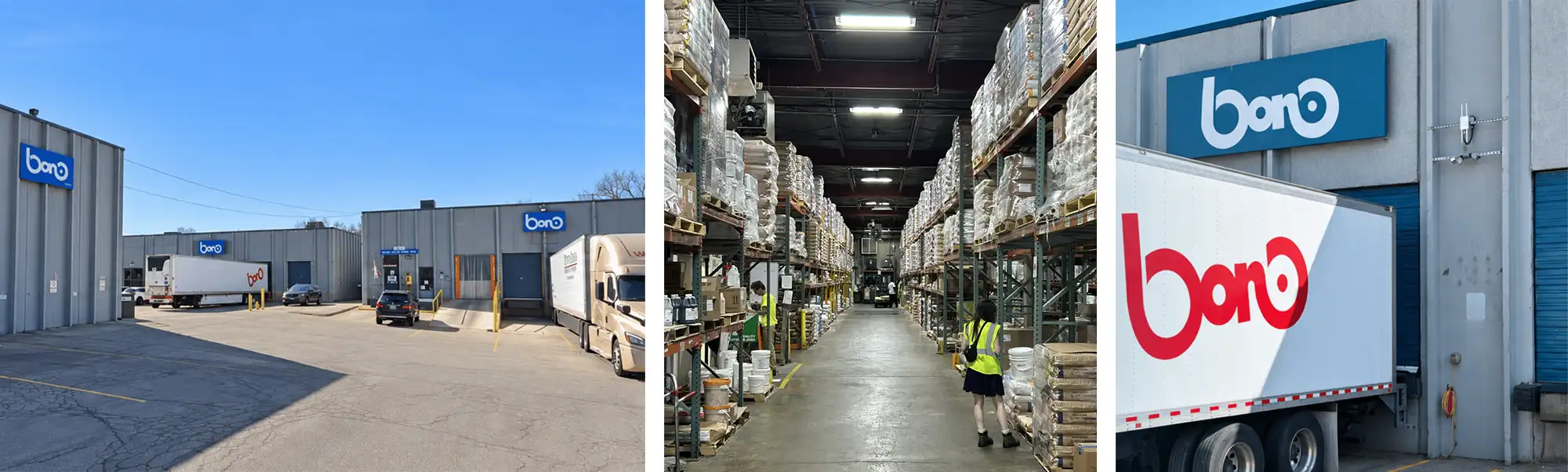
As Bono Burns expanded its warehouse operations, the physical environment increasingly exposed the limitations of its existing wireless network. Thick concrete walls separated key areas, while 20-foot metal racks, steel girders, and constantly changing inventory made signal behavior difficult to predict. A location filled with lightweight plastic containers one day could hold dense pallets of 50-pound flour bags the next, creating new coverage gaps and connection difficulties that the existing access point placement could not consistently overcome.
Cold Storage Required Reliable Wi-Fi Beyond Insulated Walls
The connectivity problems became even more pronounced inside Bono Burns’ freezers and coolers. Freezers operating at temperatures as low as -20°C were surrounded by metal cladding and four to six inches of insulation, while nearby coolers introduced additional humidity and moisture concerns. With existing freezer antennas failing and Wi-Fi struggling to penetrate insulated doors, employees often had little or no usable connectivity in areas where they still needed access to networked systems.
Weak Outdoor Wi-Fi Disrupted Trucking Operations
Outside the warehouse, reliable connectivity was especially important in the trucking and loading areas where drivers relied on tablets for electronic logging, inspections, and loading workflows. Although the indoor Wi-Fi signal could still reach these outdoor zones, it was often too weak to support a stable connection.
In some cases, tablets remained connected to the weak warehouse Wi-Fi instead of switching to cellular service, creating interruptions during time-sensitive trucking operations. The network refresh therefore needed to extend strong, reliable Wi-Fi coverage beyond the building and into the outdoor areas where drivers and delivery teams worked.
Aging Infrastructure and Licensing Costs Limited Network Growth
Much of the existing business Wi-Fi system relied on aging equipment from a tier-one networking vendor with expensive annual licensing costs. Maintaining and expanding the environment required ongoing licensing and upgrades, making a full refresh increasingly difficult to justify as the network aged. Bono Burns needed a cost-effective alternative that could deliver equivalent or better wireless performance without mandatory recurring licensing fees.
nCisive already had firsthand experience with EnGenius at Bono Burns. Older EnGenius access points installed in the company’s smaller third warehouse had delivered stronger performance than the equipment operating in the larger facilities. That success gave nCisive confidence that EnGenius could provide the performance Bono Burns needed while offering a more cost-effective path forward.
Rather than immediately replacing the existing network, nCisive worked closely with EnGenius to validate the proposed Wi-Fi solution within Bono Burns’ unique warehouse environment. Using on-site access point testing, signal measurements, and EnGenius heatmaps, the team evaluated challenging areas and refined access point placement before installation, targeting signal strength of -60 dBm or better across warehouses, offices, freezers, coolers, loading docks, and outdoor trucking areas.
This collaborative approach reflects the value EnGenius brings beyond the technology itself: supporting partners throughout the project lifecycle, from understanding customer requirements and designing the network to deployment planning, post-installation validation, and ongoing performance monitoring.
ECW260: IP67 Wireless Access Points Ensures Seamless Warehouse Wi-Fi
With the design validated, nCisive deployed 27 ECW260 outdoor Wi-Fi 6 access points across Bono Burns’ warehouses, cold-storage areas, loading docks, offices, and outdoor trucking zones. Using one rugged access point model throughout the facility simplified deployment and management while addressing the distinct environmental and coverage requirements of each area.
Because concrete, metal, and densely packed inventory can absorb or reflect wireless signals, successful warehouse Wi-Fi depends on thoughtful coverage design. nCisive worked closely with EnGenius and used EnGenius planning tools to develop an access point placement strategy tailored to the facility. The team carefully evaluated locations, anticipated sources of interference and signal loss, and designed overlapping coverage to support more consistent connectivity and roaming throughout the site.
To work around steel girders, industrial equipment, forklifts, and moving pallets, nCisive created custom mounting cradles that positioned access points above the warehouse structure for stronger coverage while keeping the hardware protected from daily operations.
The ECW260’s IP67-rated weatherproof and dustproof housing made it well suited to demanding warehouse and outdoor environments. Its detachable antennas also gave nCisive a practical way to improve freezer coverage. Building on the facility’s previous approach, the access points remained outside the insulated storage areas while dedicated antennas were routed inside. Strategic AP placement also extended dependable Wi-Fi to outdoor trucking areas, where drivers relied on tablets to complete their work.
Key ECW260 advantages included:
- IP67-rated construction: Built for demanding indoor and outdoor environments.
- Wi-Fi 6 performance: Supports current devices and future connectivity needs.
- Detachable antennas: Extends coverage into insulated freezer environments.
- PoE support: Simplifies installation and power requirements.
- VLAN and roaming support: Maintains secure, consistent connectivity across the facility.
ECS1528FP PoE Switches Add Capacity for a Scalable Warehouse Network
Rather than replacing Bono Burns’ entire switching infrastructure, nCisive added two ECS1528FP Cloud-managed PoE+ switches where additional power and network capacity were needed. This helped support the expanded wireless deployment while preserving existing equipment that was still performing reliably.
The ECS1528FP added PoE capacity for connected devices, high-speed uplinks for network traffic, VLAN support for segmentation, and centralized visibility through EnGenius Cloud.
Key ECS1528FP advantages included:
- 24 Gigabit PoE+ ports: Supports multiple connected devices from one switch.
- 410W PoE budget: Provides ample power for PoE-enabled hardware.
- Four 10 Gigabit SFP+ uplinks: Supports high-speed network connectivity.
- VLAN support: Improves traffic separation and network organization.
- EnGenius Cloud management: Simplifies remote monitoring and troubleshooting.
EnGenius Cloud Simplifies Centralized Business Wi-Fi Management
EnGenius Cloud gave nCisive a single, centralized platform to manage Bono Burns’ entire network of EnGenius access points and switches across warehouses, offices, cold-storage areas, and outdoor environments. Rather than managing devices individually or traveling on-site for every change or issue, nCisive can remotely monitor network health, adjust configurations, manage VLANs, troubleshoot problems, and maintain visibility across the entire deployment from one interface.
More importantly, EnGenius Cloud enables nCisive to take a proactive approach to network management by helping them identify potential issues, optimize performance, and support the customer more efficiently throughout the entire lifecycle of the network.
Key EnGenius Cloud advantages included:
- Centralized management: Monitors and configures access points and switches from one platform.
- Remote visibility: Simplifies troubleshooting and support across the entire facility.
- License-free core management: Reduces recurring costs while keeping Pro features optional.
By combining nCisive’s understanding of Bono Burns’ facility with EnGenius hardware, cloud management, and technical support, the two teams delivered a warehouse Wi-Fi solution tailored to the company’s operational challenges. From coverage planning and custom installation to freezer connectivity and outdoor trucking areas, the deployment addressed the connectivity issues that had previously disrupted daily workflows.
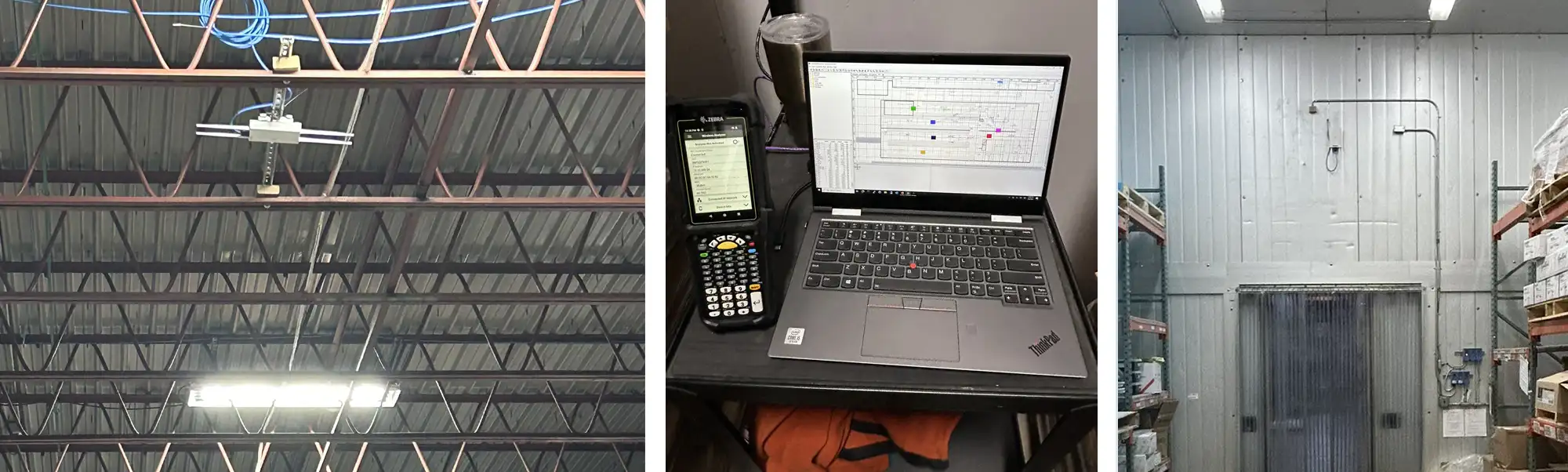
Post-deployment testing exceeded nCisive’s original target of -60 dBm, with signal levels approaching -50 dBm in most tested areas. Bono Burns was left with reliable connectivity across its warehouses, cold-storage areas, offices, loading docks, and outdoor zones, along with centralized management and lower ongoing licensing costs.
A Scalable Warehouse Wi-Fi Network Built for Future Growth
Bono Burns’ network refresh demonstrates how the right warehouse Wi-Fi solution can support demanding environments without adding unnecessary cost or complexity. With reliable connectivity now extending across warehouses, cold-storage areas, loading docks, and outdoor operations, the company has a stronger foundation for its day-to-day workflows.
As its technology and operational requirements continue to evolve, Bono Burns can now scale its network with a centrally managed infrastructure designed to support new devices, applications, and future expansion.
Have questions about our Cloud Solutions?
