


AI-Powered Surveillance: Transforming Security with Smart Video Analytics
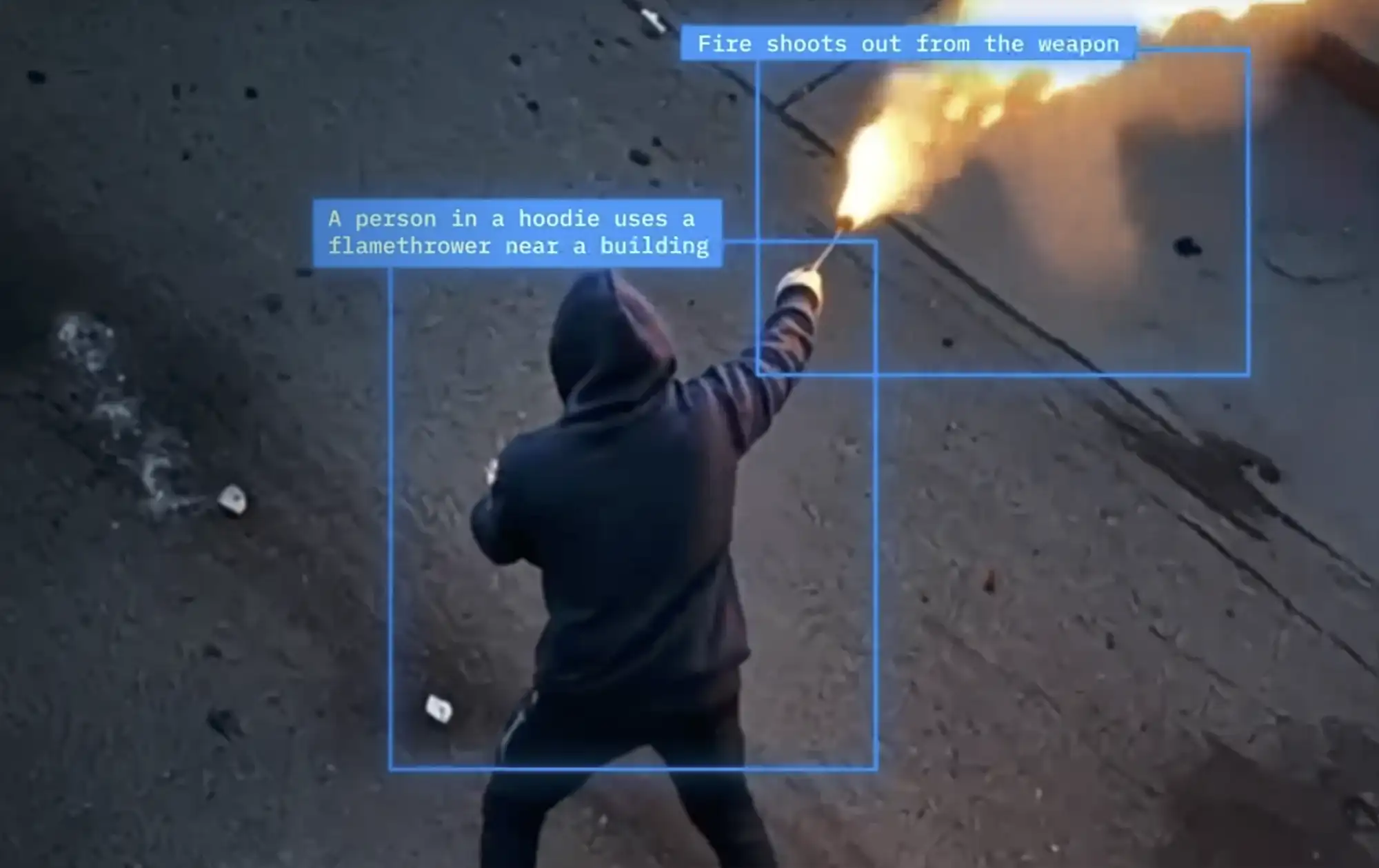
Video surveillance has evolved far beyond traditional CCTV systems. Modern organizations no longer view cameras as simple recording devices. Today’s security teams demand AI-powered surveillance systems that can analyze data in real time, provide actionable insights, and improve operational efficiency across multiple locations. This transformation is driven by a convergence of advanced technologies, including AI analytics, edge computing, hybrid storage architectures, and cloud connectivity. Together, these technologies enable faster responses, smarter decision-making, and proactive prevention of incidents, fundamentally redefining how organizations approach security.
From Traditional CCTV to Smart Surveillance
Legacy surveillance systems relied heavily on centralized servers and/or network video recorders. While sufficient for basic monitoring, these systems created operational challenges. A single server failure could compromise the entire network, continuous video streaming often overloaded bandwidth, and security teams spent hours manually reviewing footage. In contrast, modern smart video surveillance systems take a proactive approach to security by combining on-device intelligence with cloud-based analytics. This allows organizations to detect and respond to incidents as they happen rather than simply recording events for later review. These systems operate effectively across environments ranging from corporate campuses and retail locations to healthcare facilities, schools, and industrial sites where both security and operational efficiency are critical.
What is AI Security and Surveillance?
Modern AI-powered surveillance is defined by the integration of edge computing, local storage, and cloud services. Each layer serves a critical purpose in building a system that is both intelligent and scalable. By deploying AI and IoT devices at the edge, organizations capture data where it is generated, process critical insights in real time, and transmit only essential information to the cloud for further analysis. This layered approach ensures high performance, cost efficiency, and robust privacy, enabling organizations to create a proactive, future-ready security infrastructure.
Edge Computing: Intelligence at the Source of Data Generation
Edge computing brings AI directly to the camera or IoT device where raw data originates. By processing video streams locally, edge devices detect and interpret events instantly, sending only essential metadata to centralized systems. This reduces network load, minimizes latency, and ensures that security teams receive actionable alerts immediately. Edge AI is the foundation for proactive AI security systems because it transforms cameras from passive recording devices into intelligent nodes capable of autonomous decision-making.
- Detect and classify objects such as people, vehicles, and license plates
- Recognize behavioral patterns including loitering, crowding, and unsafe actions
- Analyze activities in context to distinguish between normal and abnormal behavior
- Transmit metadata and AI parameters instead of full video streams, enhancing security and privacy
Local Storage: Privacy and Resilience
Local storage provides an additional layer of security and operational reliability. By keeping video on the device, organizations reduce the risk of exposure to cyberattacks and simplify compliance with privacy regulations. Distributed storage ensures system resilience because each camera operates independently. If one device fails, the remaining cameras continue recording, eliminating the single points of failure inherent in legacy systems. Combined with edge AI, local storage allows organizations to protect sensitive data while still leveraging cloud-based intelligence.
- On-device storage safeguards sensitive footage against unauthorized access
- Distributed architecture prevents total system downtime in the event of individual device failure
- Only sending metadata to the cloud further improves data security, sovereignty, and compliance
Cloud Services: Centralized Management and Insights
While edge devices handle real-time detection, cloud services provide centralized management, long-term storage, and advanced analytics. By aggregating metadata from multiple devices, cloud systems enable security teams to detect patterns, analyze trends across locations, and conduct AI-driven searches for specific events. This combination of edge and cloud provides a scalable and flexible platform where all IoT devices and AI cameras feed information to generate smarter features, such as cross-camera tracking, federated learning, and predictive analytics. Smart video surveillance leverages this synergy to provide both speed and operational intelligence across entire networks.
- Access live or recorded video remotely from any location
- Perform cross-site analysis using metadata collected from edge devices
- Execute AI-powered searches for specific events, objects, or behaviors across the network
- Leverage the cloud platform to enable advanced features like cross-camera tracking and long-term pattern recognition
AI-Driven Analytics: Turning Video Into Actionable Intelligence
The addition of AI transforms video surveillance from passive monitoring into proactive security management. AI systems interpret live video streams, generate actionable insights, and enable security teams to respond in real time. By combining these technologies such as object recognition, behavioral analysis, and metadata-driven workflows, AI surveillance ensures that critical events are never missed while significantly reducing manual review efforts.
Object Recognition and Behavioral Analysis
Modern AI cameras detect and analyze specific objects and behaviors, moving beyond basic motion detection. These systems can identify individuals, vehicles, and activities in context, enabling security teams to respond quickly and accurately. This capability represents a major advancement over traditional object detection because it provides detailed situational awareness rather than isolated alerts.
- Identify individuals based on clothing, uniforms, or other attributes
- Detect vehicles entering restricted areas
- Flag unauthorized actions, such as workers not wearing required personal protective equipment
- Provide contextual insights that enable proactive, informed responses
Natural Language Search and Metadata Utilization
Manual video review is time-consuming and prone to errors. AI surveillance eliminates this inefficiency by using structured metadata instead of full video streams. Teams can search for events using natural language commands, retrieving precise footage in seconds. This capability is invaluable for investigations, compliance, and real-time incident response.
- Example queries: “Show all individuals wearing red jackets in the lobby between 8 and 10 AM” or “Identify vehicles entering the loading dock in the past 24 hours”
- Metadata-driven search improves accuracy and speeds up investigations
- Reduces bandwidth usage and storage requirements by sending only metadata to the cloud
- Enables real-time tracking and monitoring across multiple sites
Proactive Incident Detection
AI surveillance does more than recognize objects. By analyzing behavior and context, AI systems anticipate potential risks and alert teams before incidents occur. This predictive capability enhances safety, reduces operational risk, and allows security teams to intervene quickly.
- Detect unsafe actions in industrial or construction environments before accidents happen
- Monitor crowd density in public areas to prevent bottlenecks or hazards
- Identify suspicious activity in restricted zones in real time
- Deliver alerts with contextual information for immediate and informed intervention
What are the Operational Advantages of AI Surveillance?
AI surveillance provides operational benefits that extend beyond security alone. By integrating intelligent analytics with edge computing and cloud management, organizations can improve response times, streamline investigations, scale multi-site operations, and optimize costs. These advantages enable security teams to operate more efficiently while maintaining high standards of safety and compliance.
- Faster Response Times: Real-time alerts reduce response delays and prevent escalation
- Efficient Investigations: Metadata-driven search and region-of-interest scanning allow rapid pinpointing of events
- Scalable Multi-Site Management: Centralized dashboards provide visibility across locations with role-based access controls
- Cost Optimization: Edge processing reduces bandwidth and cloud storage needs, while metadata-based analytics lower operational expenses
Real-World AI Surveillance Applications
AI-powered surveillance is transforming operations across sectors by providing actionable insights that improve safety, compliance, and efficiency. Organizations can tailor AI capabilities to their specific use cases, maximizing impact while minimizing costs.
- Retail: Loss prevention, customer behavior monitoring, and real-time incident detection
- Education: Campus safety, restricted area monitoring, and emergency response
- Healthcare: Patient safety, staff compliance, and access control
- Industrial: PPE compliance, hazard detection, and workflow optimization
- Smart Cities and Transportation: License plate recognition, traffic monitoring, and crowd management
Privacy, Compliance, and Resilience
Modern surveillance systems must protect privacy without compromising operational effectiveness. Edge AI ensures sensitive data remains on-site, local storage enhances security, and cloud management allows centralized control with role-based access. Distributed architecture ensures resilience, while proactive monitoring and analytics support compliance with industry standards. Integrating these layers ensures both privacy and actionable intelligence in one unified system.
- Edge AI minimizes data exposure by processing locally
- Local storage safeguards footage and supports regulatory compliance
- Cloud management centralizes control with secure sharing and monitoring
- Distributed systems provide redundancy to maintain continuous operation
Future Trends in AI Surveillance
Surveillance technology is evolving rapidly. Innovations are driving smarter, more predictive, and more intuitive systems that extend operational capabilities. AI security systems continue to mature, incorporating multi-modal analytics, natural language interfaces, and autonomous monitoring to enhance outcomes in real-world deployments.
- Multi-modal AI integrates video with environmental sensors for richer insights
- Predictive analytics identify potential risks before incidents occur
- Natural language and voice-controlled interfaces simplify system interaction
- Autonomous monitoring reduces reliance on constant human supervision
- Continuous advances in AI, edge computing, and cloud integration improve adoption and efficiency
AI Surveillance Solutions From EnGenius
EnGenius offers an expanding portfolio of AI-powered surveillance solutions designed to support modern security requirements across diverse environments. From intelligent AI surveillance cameras and enterprise-grade NVRs to a centralized cloud management platform, EnGenius enables smart video surveillance that delivers real-time insights, streamlined deployment, and scalable control. Edge-based AI analytics, metadata-driven search, and cloud-enabled management allow organizations to move beyond passive monitoring and deploy AI security systems tailored to their specific operational needs.
Explore our AI Surveillance Solutions >
Further Learning: Watch the Full Webinar
Interested in learning how EnGenius can modernize your security and surveillance operations? For a deeper exploration of hybrid AI surveillance, including real-time analytics, natural language search, and advanced metadata workflows, watch the EnGenius AI Cloud Surveillance webinar below.
